The Sims 2, and the family lines I tried to keep alive
The Sims came back in 2004 with a brand new engine, real aging, and genetics, and it caught me right in the middle of high school. Generations, basements, aliens, and aspirations I could never stop chasing.
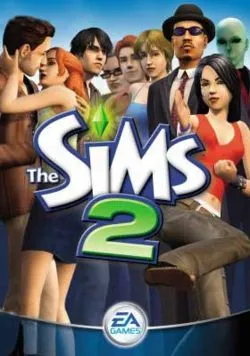
I had mostly drifted away from the original Sims by my sophomore year. The internet had taken over my free time, and a single-player sandbox could not compete with worlds full of real people. So when The Sims 2 came out on September 14, 2004, my junior year of high school, I did not expect it to grab me the way it did. It grabbed me anyway.
A whole new engine
The thing that hooked me first was just how different it looked. The original game was that flat, fixed, isometric view, charming but stiff. The Sims 2 dropped you into a real three-dimensional world you could rotate and tilt and zoom through. The whole thing felt new, like the difference between a dollhouse and a stage. I remember being genuinely excited the moment it was announced, and then more excited once I actually had it running.
And it was not just prettier. It was deeper in ways that completely changed how I played.
Aspirations, and the wants I could not ignore
The Sims 2 gave every Sim an aspiration, a core thing they were chasing in life, and on top of that a constant little set of wants and fears. Those wants were these rolling goals the game generated, things your Sim was hoping would happen, and you could chase them for a reward or just let them slide. I could not let them slide. I was the kind of player who treated every want as a small assignment. It gave the open sandbox a quiet spine, a reason to do the next thing, and I loved it.
Genetics, aging, and the family lines
Here is the feature that ate the most of my hours: Sims actually aged now. They were born, grew up, got old, and died, and that one change unlocked the part of the game I sank everything into. Generations.
On top of aging came real genetics. Kids inherited their parents’ eyes and hair and faces, so a family actually looked like a family down through the years. So I started playing the long game. I would build out these elaborate family trees and play generation after generation of the same bloodline, trying to keep a family line going as long as I possibly could, watching the genetics carry down through the kids and their kids. It turned The Sims from a single household into a dynasty.
The Create-a-Sim that fed all of this was a leap too. You could really customize a character now, sculpt the face and body instead of just picking a head off a list, which made the whole genetics thing land even harder when you saw your design echo in a grandkid.
Aliens, basements, and the rest
Some of what I loved was just pure fun. Aliens, for one. Your Sim could get abducted in the night, and the game would actually carry consequences home from it, which was exactly the kind of weird, emergent thing that made The Sims great. Basements were back and proper, so I could finally build down as well as up. There were new neighborhoods to fill. And as always, I chased every top career and every special career reward object the game would let me earn.
And then I moved on, again
The Sims 2: University arrived on March 1, 2005, still my junior year, and I played it for a while and had fun with it. But that was about as far as I went. The same gravity that had pulled me off the original game was still pulling. The Sims Online and the Enemy Territory clan were eating the rest of my time, and I never picked up the rest of the Sims 2 expansions. I just was not playing enough to justify them.
That is the pattern with me and this series, honestly. I fall completely in love with a new numbered Sims game, play it intensely for a season, and then life and other games carry me off before I ever finish collecting the expansions. It happened with the original. It happened here. And it would happen one more time, a full decade later, with The Sims 4.